Remediating Phonological Awareness
A multi-sensory digital intervention — my capstone — that translates clinical phonological-awareness therapy into scalable, gamified, UDL-aligned e-learning.
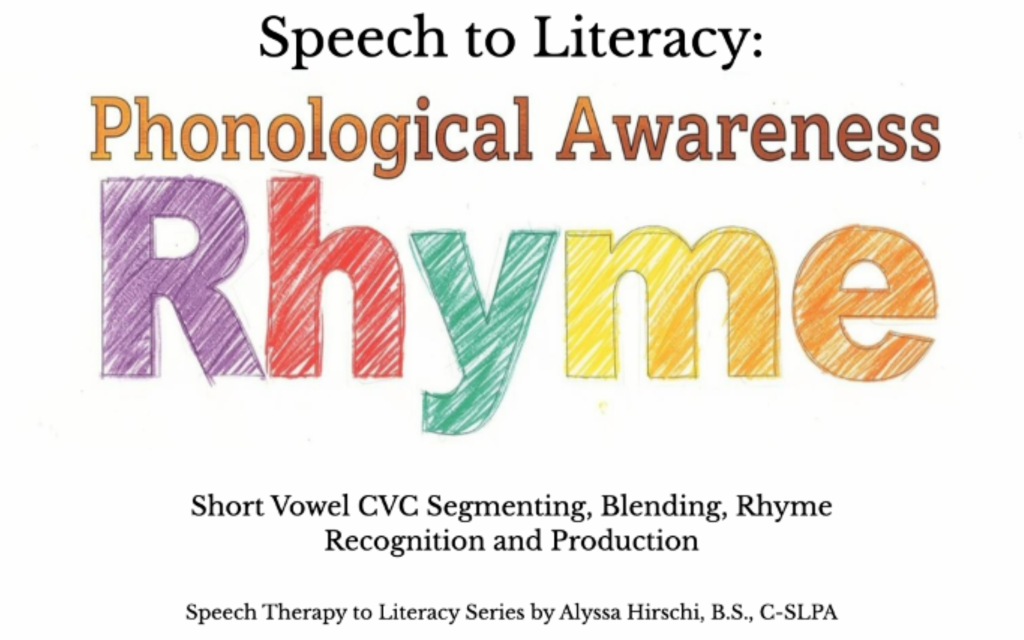
The challenge
Students with speech and language impairments often function at a foundational decoding level even as the curriculum demands high-level comprehension. That mismatch leaves them without the phonological groundwork reading depends on.
My approach
Drawing directly on my clinical background, I translated phonological-awareness interventions into a scalable e-learning format — using Universal Design for Learning to make remediation age-appropriate, high-engagement, and multi-sensory.
-
Translated therapy into e-learning — I adapted clinical rhyme and vowel interventions into gamified, multi-modal digital activities students can repeat independently.
-
Designed with UDL — multiple means of representation and engagement keep the practice age-appropriate and accessible rather than remedial-feeling.
-
Built to iterate on evidence — the module ships in phases — short vowels and baseline testing first, then long vowels and visual polish, then an efficacy and accessibility audit.
The outcome
Targeted growth in rhyme-detection and vowel-categorization accuracy.
Gamified, multi-sensory practice translating clinical intervention into scalable e-learning.
Iterations: short vowels & baseline testing, long vowels & visual polish, then an efficacy and accessibility audit.